Most investors don’t fail at buying their first property. They fail somewhere between property two and property five, stuck in analysis paralysis, overleveraged, or holding assets that looked good on paper but can’t survive a rate change.
The fix isn’t working harder. It’s building the right structure from the start.
The Fundamentals Haven’t Changed — But the Game Has
Fundamentals are the bedrock metrics that determine whether a property genuinely performs: rental yield, void rates, tenant demand, and local employment stability. In markets like the Midlands, Yorkshire, Manchester, and Liverpool, the fundamentals remain compelling. Average gross yields in areas like Bradford, Stoke-on-Trent, and Salford consistently outperform southern markets, sitting between 6% and 9% gross before costs. That’s supply and demand economics, not speculation.
Where newer investors come unstuck is chasing the headline yield figure without stress-testing what sits beneath it.
Strong fundamentals are your foundation. Without them, everything else is cosmetic.
Stress-Testing: The Discipline That Separates Investors from Gamblers
Stress-testing means deliberately modelling your investment under adverse conditions before you commit a single pound. Higher interest rates, extended voids, and unexpected maintenance costs. If the deal only works when everything goes right, it isn’t a deal. It’s a bet.
A straightforward stress test covers three things. Does cash flow survive if the mortgage rate increases by 1%? Have you modelled a void period? Are you holding back 5-%10% of gross rent for repairs and compliance costs?
Apply this before every acquisition. If the numbers still hold up, you have something worth pursuing. If they don’t, you’ve just avoided a costly mistake, which is equally valuable.
Buying in the Right Areas — And at the Right Price
Location is where long-term returns are made or lost, and it deserves more rigour than most investors apply to it.
The areas worth targeting in 2026 and beyond share a consistent set of characteristics: strong and diverse employment bases, infrastructure investment that is either committed or underway, genuine rental demand from a professional tenant pool, and owner-occupier demand strong enough to support a clean exit when the time comes. That last point matters more than most people account for. An asset that only appeals to other investors gives you a narrow buyer pool when you come to sell. An asset that appeals to both investors and first-time buyers gives you options.
On price, the discipline is straightforward. If you can secure a genuine discount to market value through an off-market route or a motivated seller, that equity created at purchase is the most reliable form of return in the model. But buying below market value isn’t always possible, and chasing a discount on the wrong asset in the wrong location is a worse outcome than paying the right price for the right one.
The test is whether the numbers stack up honestly at the price being paid. Yield, stress-tested cash flow, realistic capital appreciation potential, and a credible exit. If all four hold up, the price is right. If they only hold up in the optimistic column, they don’t.
Yield Compression and Regulatory Headwinds: Know What’s Coming
Two forces are reshaping buy-to-let right now and ignoring either will cost you.
Yield compression, the gradual narrowing of the gap between purchase price and rental income, has been driven by increased investor competition in previously overlooked northern markets. As more capital flows into cities like Manchester and Leeds, prices rise faster than rents and returns compress. The window for strong entry-point acquisitions doesn’t stay open indefinitely.
Regulatory headwinds are the other side of the equation. EPC upgrade requirements, evolving licensing schemes in cities like Liverpool and Nottingham, and the ongoing legislative changes reshaping the private rental sector are adding cost and complexity to residential portfolios. These aren’t reasons to avoid investing. They are reasons to structure correctly from the outset.
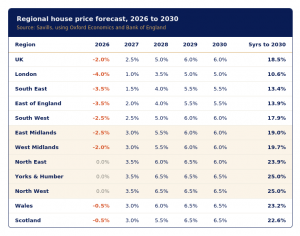
Capital appreciation in the right northern markets remains a realistic medium to long-term outcome, but it rewards those who buy well and manage smartly, not those relying on price growth to paper over structural weaknesses.
Building for the Long Game
Serious property investment isn’t dramatic. It’s methodical. Choosing the right market, running honest numbers, holding the right structure, and managing the asset properly over time.
The investors who build genuine long-term wealth through property aren’t the ones chasing the hottest postcode or jumping between strategies. They’re the ones who understand the fundamentals, protect their downside, and stay consistent.
Want to explore property investment with an experienced partner? Book a free call with the Frater Property Partners team here: https://fraterpropertypartners.com/work-with-us/