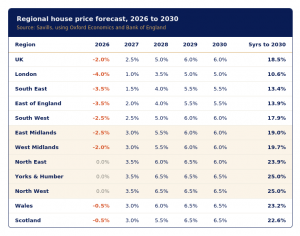
The data is in, and for investors still building on optimism rather than analysis, it’s uncomfortable reading.
Rental yields are tightening in certain regions. Mortgage rates remain elevated due to global uncertainty. Regulatory headwinds from EPC requirements to Section 24 tax restrictions continue to erode returns for landlords who built portfolios without a plan. And yet, quietly and methodically, a cohort of serious investors are doing exactly what the conditions require: stress-testing their positions and refocusing on fundamentals.
This isn’t a moment for panic. It’s a moment for precision.
What Yield Compression Actually Means for Your Returns
Yield compression is what happens when property prices rise faster than rental income, or when rising costs eat into the spread between gross and net returns. In plain English: you’re paying more to hold an asset that’s earning you proportionally less.
It’s playing out across several markets right now. In some city centre locations, gross yields that looked attractive at 6-7% a few years ago are now delivering net yields closer to 3.5-4% once you factor in higher finance costs, compliance upgrades, and management fees. That’s not necessarily a reason to exit those markets. But it is a reason to model your numbers honestly before you buy, not after.
The investors navigating this well aren’t finding better deals. They’re applying more rigorous acquisition criteria and understanding the difference between the yield figure on a brochure and the income that actually lands in their account.
Stress-Testing: The Habit That Separates Investors from Gamblers
Stress-testing means deliberately modelling worst-case scenarios before you commit capital. It’s a financial pressure test. What happens to your cash flow if rates move against you? What if the property sits vacant for a few weeks? What if a maintenance issue forces a £2,000 boiler repair in year three?
Here’s a practical illustration. A two-bedroom terraced house in Leeds purchased at £185,000, financed with a 75% LTV interest-only buy-to-let mortgage at 4.5%, generating £900 per month in rent. Monthly interest payments sit at approximately £519, leaving a gross monthly surplus of £381 before costs.
Now stress it at 5.5%:
The rate increase pushes monthly interest payments up to approximately £635, reducing the gross monthly surplus to £265. That doesn’t make it a bad investment. It makes it a known investment, and there’s a significant difference between the two.
Every asset we present at Frater goes through this kind of scenario modelling before it gets anywhere near a recommendation.
Why Regulatory Headwinds Are Actually Creating Opportunity
The tightening of landlord legislation, energy efficiency requirements, and tax treatment changes have pushed a meaningful number of accidental and amateur landlords toward the exit. That’s created a buyer’s market in certain stock, particularly older terraced housing across the Midlands and North of England, where motivated vendor pricing is genuinely evident for investors who know what they’re looking at.
This is where fundamentals matter most. Strong rental demand, low vacancy rates, proximity to employment corridors and transport links. These aren’t glamorous metrics, but they’re the ones that deliver portfolio resilience over a five to ten year hold.
Liverpool, Manchester, Sheffield, Nottingham. These markets have underlying demand drivers that don’t disappear when sentiment softens. Population growth, graduate retention, infrastructure investment: the structural case for residential property in these locations remains sound even when the short-term headlines are uncomfortable.
The Bottom Line
The data isn’t bad news for everyone. It’s bad news for investors who weren’t prepared.
For those approaching residential property with clear acquisition criteria, honest stress-testing, sensible ownership structures, and a focus on long-term fundamentals, this market is presenting real opportunity. The noise will settle. The numbers won’t lie. And the investors who move methodically now will be the ones looking back on this period as the one that mattered.
If you want support building your portfolio with stock that’s built to last and stress tested properly, get in touch today: https://fraterpropertypartners.com/work-with-us/