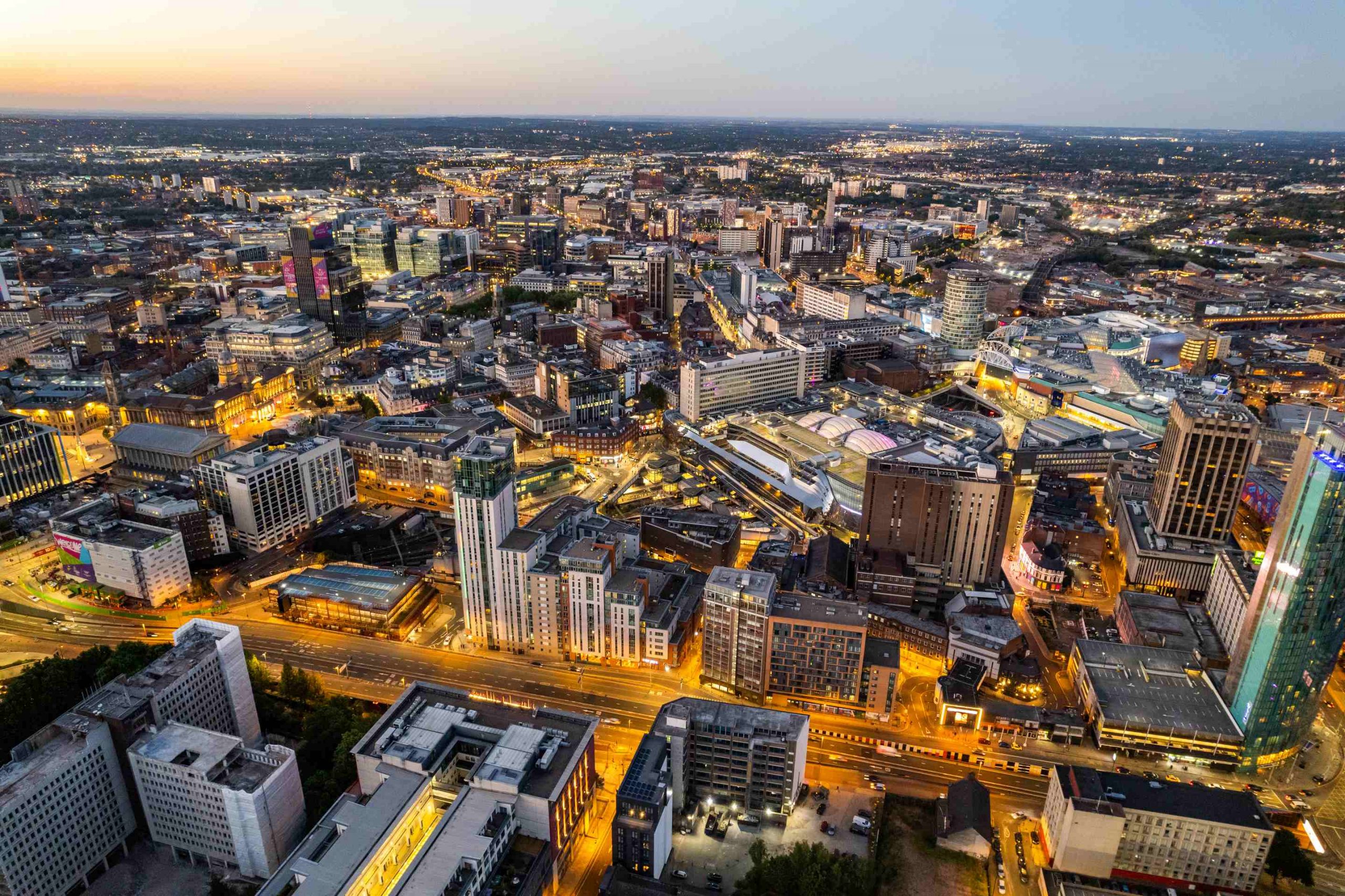
If you’re looking to build or scale your UK property portfolio in 2026, Birmingham offers a combination of affordability and growth potential that is becoming increasingly rare in Tier 1 cities. With the HS2 effect now being priced into the market and a professional demographic shifting away from London, certain districts are poised to outperform.
Here is an analysis of the top five investment zones you should have on your radar for 2026.
1. Digbeth: The Creative Regeneration Powerhouse
Once the city’s industrial heartland, Digbeth has evolved into one of the most significant regeneration stories in the UK. Often compared to London’s Shoreditch, it is the primary focus of the £1.9 billion Smithfield Masterplan.
- The Investment Catalyst: The arrival of the BBC at the new Typhoo Tea Factory and the development of the MasterChef studios have cemented Digbeth as the UK’s next major creative hub.
- The Infrastructure Play: Situated immediately adjacent to the upcoming HS2 Curzon Street station, Digbeth is the first port of call for commuters arriving from London.
- Investor Takeaway: This is a high-growth zone. Investors should look for modern apartments that appeal to the creative class—young professionals in tech, media, and the arts who value proximity to both work and the city’s best independent nightlife.
2. The Jewellery Quarter: Premium Heritage & Scarcity
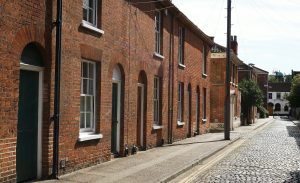
The Jewellery Quarter (JQ) is a historic conservation area that offers something modern developments often lack: character and scarcity. With over 200 listed buildings, the supply of new residential space is naturally constrained, which protects long-term values.
- The Demand Driver: The JQ is the preferred residential choice for high-earning professionals working in the Colmore Business District. It offers a village feel within a ten-minute walk of the city’s major financial employers like Goldman Sachs and PwC.
- Yield & Profile: Because of its lifestyle appeal—home to Michelin-starred restaurants and independent boutiques—rents in the JQ carry a premium. It consistently achieves some of the highest occupancy rates in the city.
- Investor Takeaway: This is a flight to quality play. It is ideal for investors seeking stable, high-quality tenants and reliable capital appreciation in a district that will never go out of style.
3. City Centre Core: Eastside & Southside
This zone represents the epicenter of Birmingham’s infrastructure-led growth. While Eastside is being redefined by education and rail, Southside is the city’s cultural and Chinese Quarter.
- The HS2 Hub (Eastside): Eastside is home to the Learning Quarter and the Curzon Street HS2 terminus. The massive £400 million plus investment in the Masshouse area is creating a high-density professional district.
- The Lifestyle Magnet (Southside): Southside offers immediate proximity to the Hippodrome, the Gay Village, and the £200 million plus development of the Beorma Quarter. It is a magnet for the city’s growing population of international students and corporate short-let tenants.
- Investor Takeaway: Best for investors focused on location-first fundamentals. The density of employment and transport links here makes it the most liquid rental market in the West Midlands.
4. Edgbaston: Affluence, Stability & The Knowledge Economy
Just a mile from the city centre, Edgbaston provides a stark contrast to the urban core. It is an affluent, green-belt district that houses some of the city’s most critical economic anchors.
- The Anchor Effect: Edgbaston is home to the University of Birmingham and the Queen Elizabeth Hospital. These two institutions provide a recession-proof tenant base of medical professionals, academics, and international post-graduates.
- The Wealth Factor: With its proximity to elite cricket at Edgbaston Stadium and top-tier private schools, it attracts long-term professional families and consultants who prefer suburban tranquility over city-centre density.
- Investor Takeaway: This is the safe haven of Birmingham investment. While entry prices can be higher, the risk of void periods is significantly lower, and the capital growth is backed by long-term, established wealth.
5. Perry Barr: The Legacy Growth Play
While the other zones are established or mid-regeneration, Perry Barr is the value play for 2026. Following the £700 million investment for the Commonwealth Games, the area is undergoing a total residential reset.
- The Infrastructure Overhaul: The area has seen a complete station rebuild, a new bus interchange, and the delivery of thousands of new homes at the former Athletes’ Village site.
- The Price Gap: Entry prices in Perry Barr remain significantly lower than the city centre, yet it is only 10-15 minutes away by rail. As the city centre becomes more expensive, Perry Barr is the natural overflow for young professionals and families priced out of the core.
- Investor Takeaway: Ideal for entry-level investors or those looking to maximize their leverage. The potential for uplift here is high as the new amenities and transport links fully bed in over the next 24-36 months.
Final Word: Positioning for 2026
Birmingham is no longer a single-speed market. Whether you are chasing the up-and-coming regeneration of Digbeth, the heritage-backed stability of the Jewellery Quarter, or the value-led growth of Perry Barr, your choice should align with your specific portfolio goals.
Ready to find your next Birmingham investment? At Frater, we specialize in identifying the specific postcodes and developments that are positioned for strong returns. Let’s discuss your strategy and secure your place in one of the UK’s most exciting investment cities. https://fraterpropertypartners.com/work-with-us/
Learn with us on YouTube: https://www.youtube.com/@JamesTalksProperty