Your Property Investment Readiness Stage
The Standing Start.
You’re at the beginning of this, and the order you do things in matters more than the speed.
01
What's Blocking You
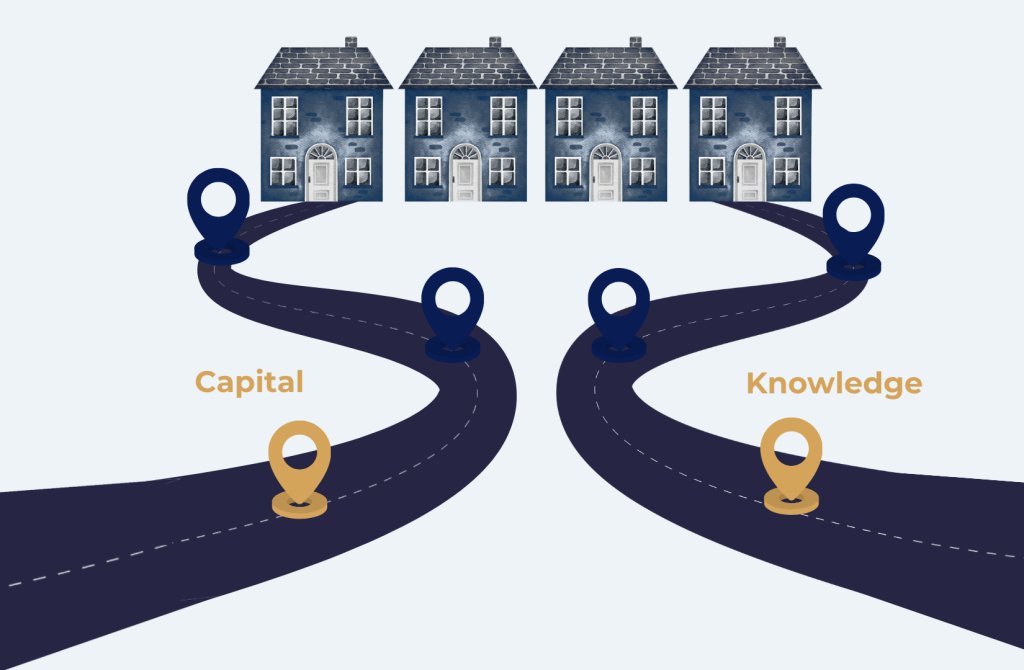
Two things, and only one of them is worth your attention right now.
The obvious one is capital. You don’t yet have enough set aside to buy an investment property, and there’s no version of this where that stops being true until it changes. The less obvious one is knowledge, and that’s the one worth focusing on because it’s the one you can actually move on today without needing anything from anyone.
Here’s something that most people in your position find genuinely reassuring once they hear it. If someone handed you the money this afternoon, you wouldn’t be ready to use it well. That’s not a criticism, it’s just where you are, and almost every serious investor has stood exactly there at some point. The difference between the ones who do well and the ones who don’t is usually whether they spent that period learning or whether they spent it waiting.
So the constraint you’re frustrated by is quietly protecting you. Buying property with money you’ve worked hard for and knowledge you haven’t yet built is how people end up with a cheap terrace in an area they’ve never visited, sold to them by someone who made a commission on it. You’re not in danger of that because the money isn’t there yet. What you have instead is time, and time is the one thing the people further along this list would like more of.
02
What it's costing you
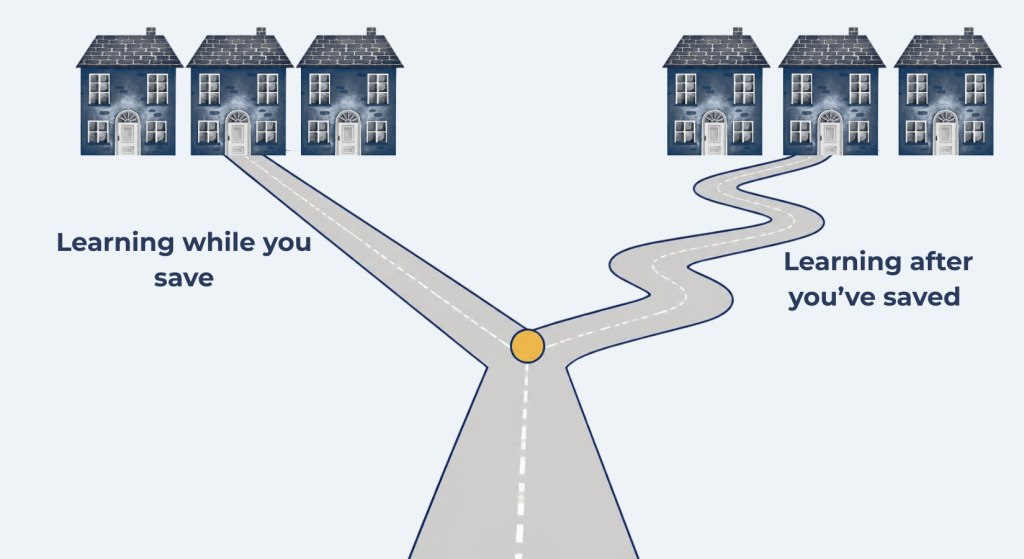
Nothing yet, and that's worth saying plainly because you'll read a lot of content designed to make you feel behind.
The cost only starts if you spend this period in the wrong way, and there are two ways to get that wrong.
The first is doing nothing at all. Treating the capital as the gate and assuming there’s no point learning anything until the money is there. People lose years to this. They arrive at their savings target with the same understanding they had at the start and then spend another year getting up to speed at exactly the point they should be buying, because the education they postponed didn’t get any shorter for having been delayed.
The second is spending money you can’t spare on someone promising to shorten the process. This is the more expensive mistake and it’s aimed directly at people in your position. Someone at the start with genuine ambition and not much capital is the ideal customer for a property course, because the pitch writes itself and the promise is impossible to check until long after the payment has cleared.
The real cost at your stage isn’t slowness. It’s arriving at the money without the knowledge, or arriving at the knowledge several thousand pounds lighter than you needed to be.
03
What to do now
Knowledge first, capital second.
Not because the money matters less, but because the knowledge is free, it takes months rather than years, and it changes what you do with the money when it arrives.
There are three things to understand at the start.
1
You need to know how to read an area.
Employment, transport links, regeneration, and what letting agents will actually tell you about demand on a specific street if you ring up and ask them. Most of the difference between a good investment and a mediocre one gets decided here, long before anyone looks at a floor plan.
2
You need to understand how the numbers actually work.
Rental yield, what a lender will and won’t lend against, and the difference between what a property earns and what you actually keep once the mortgage, the management, the maintenance, and the tax have taken their share. This is the foundation and everything else is decoration without it. If you only do one of these three, do this one.
3
You need to know the process from an accepted offer
Surveys, searches, conveyancing, what a mortgage offer actually depends on, and how long each stage takes. This is the part that unsettles people most, and almost entirely because it’s unfamiliar rather than because it’s complicated. A few hours will fix it permanently.
On Courses.
You’ll be offered one, probably several, at somewhere between two and fifteen thousand pounds, positioned as the thing standing between you and a portfolio. You’re exactly the person that pitch is designed for, because you have savings and not yet the experience to judge the claim. Everything above is available for free, a good deal of it on YouTube including ours. That money belongs in the purchase and it’s not a close decision.
Then the capital.
Once the knowledge is genuinely there, that’s the point to put real effort into the savings side, because now you know what you’re saving toward and roughly what it needs to be. Working out your actual target number, rather than carrying a vague sense that you need a deposit, is what turns this from an intention into a plan. That comes next, and it’s easier once the first part is done.
Here's where to start
Below I’ve shared a few things to get you started. This isn’t everything you need to become a confident property investor, but it will get you moving in the right direction. I’ve suggested a few videos below, and we also have a full beginner playlist on YouTube. These aren’t clickbait, they’re designed to actually help with your education.
The Complete Guide to Property Investment: How to survive & thrive in the new world of buy-to-let
The best starting point we’ve found for anyone new to property investment. Rob Dix covers strategy, financing, research, and portfolio building in a way that’s practical and easy to follow. I worked with Rob for several years, so I know first-hand the thinking behind it.
One caveat: the tax and regulatory sections are dated, so treat those as a foundation and cross-reference with a specialist before acting on anything.
First Buy-to-Let Property? Start With These 5 Steps
This one walks you through the five steps that actually matter to buying your first buy-to-let. From working out what you can afford, setting up the right ownership structure, finding the right property, and getting it over the line. No fluff, just the process in the right order so you don’t make the mistakes most first-time investors make.

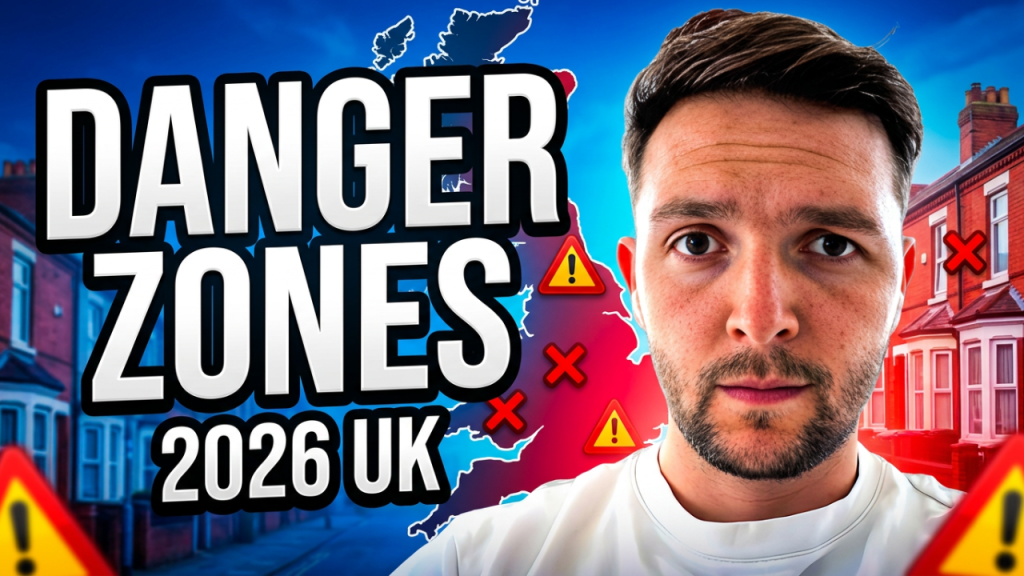
2026 UK Property Investment: Don't Buy Here.
If you’re starting out, knowing where not to invest is just as important as knowing where to. This video covers our 2026 red list — the areas we’re actively steering clients away from based on declining prices, extended selling times, and weak fundamentals. Worth watching before you commit to anything.
© Frater Property Partners 2026. All Rights Reserved.