
Your Property Investment Readiness Stage
You are genuinely on your way. Both halves are underway, and neither one is finished.
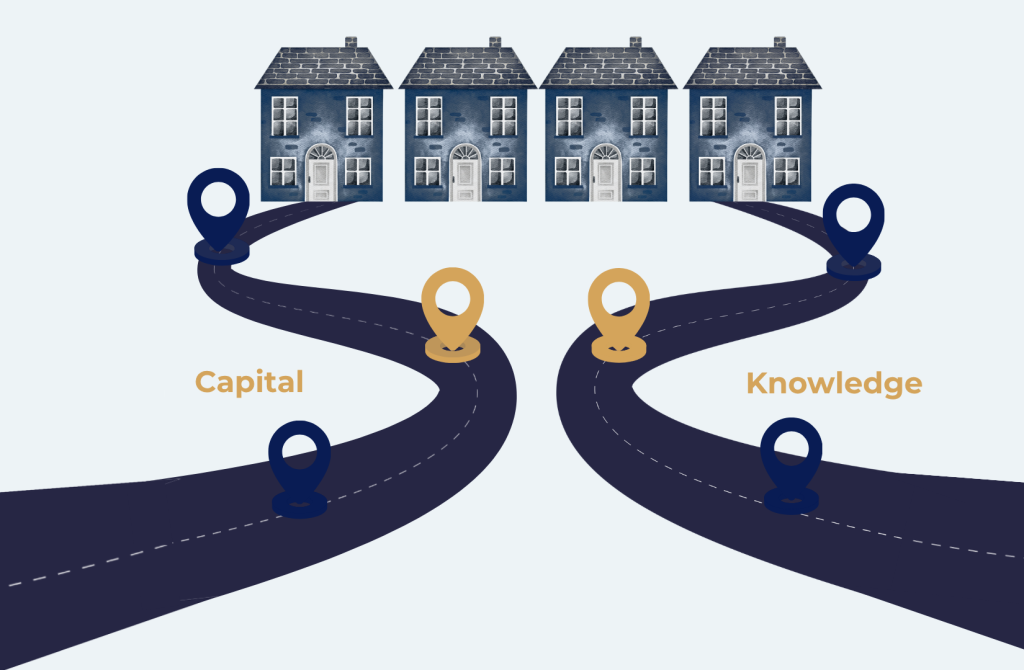
You have money set aside and you’ve done the reading. Between thirty and sixty thousand pounds is a serious amount and most people at the same stage are still talking about starting rather than doing it. You understand roughly how the numbers behave and you have a sense of which areas people talk about and why.
What you have is two halves that are both partly built, and the frustration of your position is that neither one has got far enough to be useful on its own.
On the capital side, the real issue is that you don’t have a number. You’re saving toward a general idea rather than a specific figure, which means you have no way of knowing whether you’re eighteen months away or six. That’s quietly demoralising because there’s never a point where you get to feel like you’re nearly there, and it makes it impossible to judge whether the monthly amount is right.
On the knowledge side, you have the concepts without the specifics. You understand what rental yield means without having worked out what a property actually returns once the mortgage, the management, the maintenance, and the tax have taken their share. You know areas matter without having settled on two or three you could genuinely defend. You know roughly what happens between offer and completion without being clear on what a lender actually requires or where the process tends to stall.
That’s not a criticism, it’s simply the difference between having read about something and having done it. The useful part is that the remaining gap is smaller than the one you’ve already closed, and you have a genuine window to close it because the money is going to take months either way.
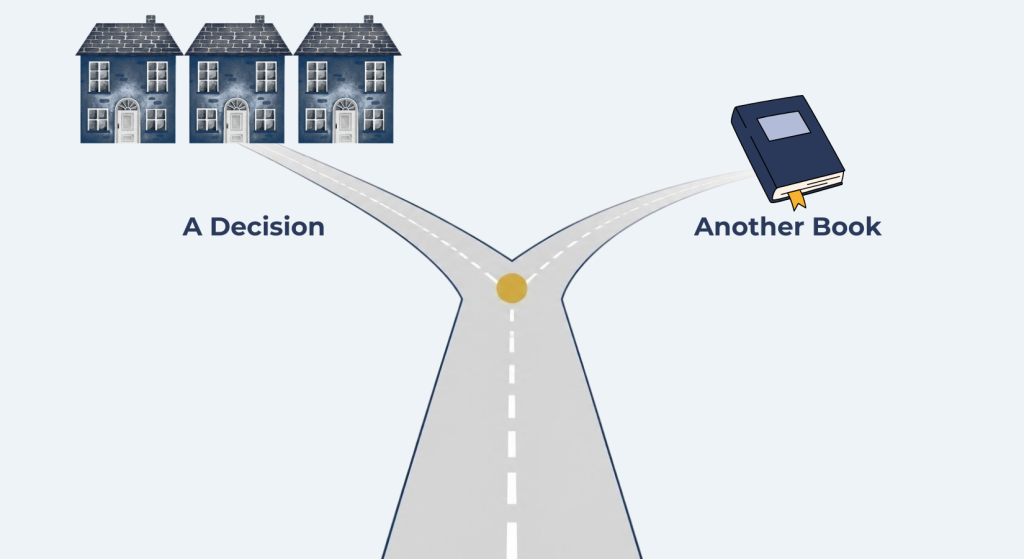
The first is buying before you’re ready. Your savings will eventually reach a point where they feel like enough, and if the understanding hasn’t caught up by then, the decision gets made on gut feeling or on whoever happens to be in front of you at the time. That’s how people end up with a cheap property in an area they’ve never visited, bought from someone who made a commission on it. Those properties are cheap for a reason, usually weak tenant demand and very little driving values upward across the years you’d hold it. An investment property is supposed to grow while someone else pays the mortgage, and a cheap one in an area with nothing behind it does the second part and not the first. You find out which one you bought when you come to sell.
The second is paying for a shortcut. You’ll be offered a course, probably several, somewhere between two and fifteen thousand pounds, positioned as the thing standing between you and a portfolio. You’re precisely the person that pitch is built for, because you have savings and enough knowledge to feel close without having enough to test the claim. Every pound that goes into a course comes directly out of the deposit, which means it doesn’t shorten your timeline, it extends it, while telling you the opposite.
The third is drift. Reading about property is interesting and saving money isn’t, so it’s possible to spend years doing the interesting part because it still feels like progress. The tell is that you know more than you did last year but you’re no closer to a date.
Both halves continue, and each one gets pointed at something specific rather than carrying on in general.
Not just a deposit, the full amount needed to complete a purchase. The deposit, stamp duty including the additional property surcharge, solicitor and search fees, lender and broker fees, a survey, and a sensible reserve for the first void period or an early repair. That total is usually larger than people expect, and it’s useful information rather than discouraging information.
Divide the number by what you can genuinely put aside each month and you have a month and a year. That date is the single most valuable thing you can have right now because everything else becomes preparation for something specific rather than preparation in general. It also tells you honestly whether the monthly figure needs to change, which is a much easier question once there’s a date attached to it. If you own your own home, it’s also worth understanding when you could release equity from it, because that changes the calculation considerably. You may not need to save as much each month as you think, and knowing your equity release date gives you something just as concrete to work toward.
Three specific things, and you’re closer to all of them than you think.
Learn to model a property properly, all the way through to what you actually keep rather than stopping at the yield. That means accounting for the mortgage, the management fees, the maintenance and the voids before you decide whether something works. Most people stop at the gross yield and wonder later why the returns feel different to what they expected.
Choose two or three locations and get to the point where you could explain why you’d buy there. What employment supports the rents, what the demand looks like on a specific street, and what’s driving values over the next five to ten years. This is where most of the difference between a good investment and a mediocre one gets decided, long before anyone looks at a floor plan.
Get clear on what happens between offer and completion, specifically what a lender actually requires and where things tend to go wrong. This unsettles people almost entirely because it’s unfamiliar rather than because it’s complicated, and a few hours spent on it now means none of it catches you off guard when you’re doing it for real.
Once you’ve followed those 5 steps, you should feel confident enough to get the ball rolling. A conversation with a mortgage broker costs nothing, there’s no expectation that you transact, and it tells you what you could borrow and what a lender would want from you. That call often moves the target number significantly, and it’s far better to know now than at the point you’re ready to act.
This sounds premature and it’s the most useful thing on this page. Write down the standard you’re holding to, the kind of area and the kind of property, while you’re calm and nothing is in front of you. There needs to be a reason behind this though, not just off a hunch. The decision is much harder to make well in eighteen months, when the money is finally there, you’ve waited a long time, and something available and affordable is sitting in your inbox.
Below, I’ve shared a few things to get you started. This isn’t everything you need to become a confident property investor, but it will keep you moving in the right direction.
Due diligence matters but most busy professionals don’t have hours to spend on it. This video walks you through a straightforward five-phase process covering location, financials, the property and developer, comparable evidence, and exit strategy. It’s designed to give you a repeatable system that protects your investment without taking over your life.

If you’re starting out, knowing where not to invest is just as important as knowing where to. This video covers our 2026 red list — the areas we’re actively steering clients away from based on declining prices, extended selling times, and weak fundamentals. Worth watching to see how you might rule a place out.

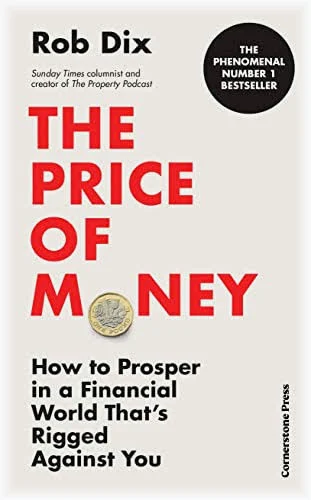
This one sits slightly outside property but it’s worth reading. If you’ve ever wondered why your savings feel like they’re going backwards or how governments can print money without consequence, this explains it clearly and without the jargon. Understanding how money actually works makes every financial decision that follows a better one.
© Frater Property Partners 2026. All Rights Reserved.