Your Property Investment Readiness Stage
The Sideline Expert.
You know more about this than plenty of people who already own rental property. The only thing missing is the capital.
01
What's Blocking You
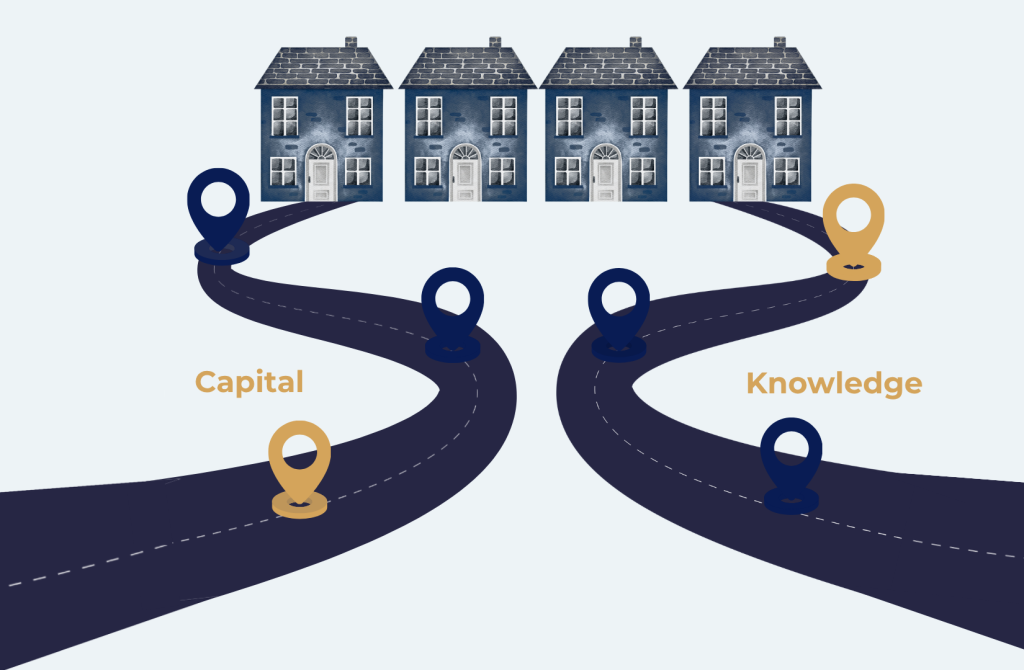
One thing, and it's worth saying clearly that it is the only thing.
You’ve done the work on the knowledge side and done it properly. You understand how the numbers behave all the way through rather than stopping at the headline yield, you have a view on areas and the reasoning to support it, and you’ve had the conversations most people put off. You could look at a listing and tell someone in five minutes whether it was worth buying and why. That’s not a common position, and it’s genuinely further along than a lot of people who have already transacted, because plenty of them bought first and learned afterwards.
What you don’t have is the money, and there’s no technique that gets around it. No structure removes the need for a deposit and nobody worth listening to will tell you otherwise.
What makes your position particularly frustrating is that understanding something you can’t act on is harder than not understanding it at all. You can watch the areas you’d have bought in move without you. You can see deals that work and have nothing to do about it. That’s a difficult place to sit for any length of time, and it tends to produce one of two responses, both worth guarding against.
The first is compromising on quality to get started. There’s always something available at a lower price point, and you already know exactly why those properties are cheap. Buying one purely to be in the market undoes most of what you know.
The second is reaching for a shortcut on the capital. Some of what gets marketed here is legitimate in the right circumstances with the right people. Most of it isn’t, and your knowledge makes you a more attractive target rather than a less attractive one, because you ask better questions and therefore feel harder to fool.
02
What it's costing you
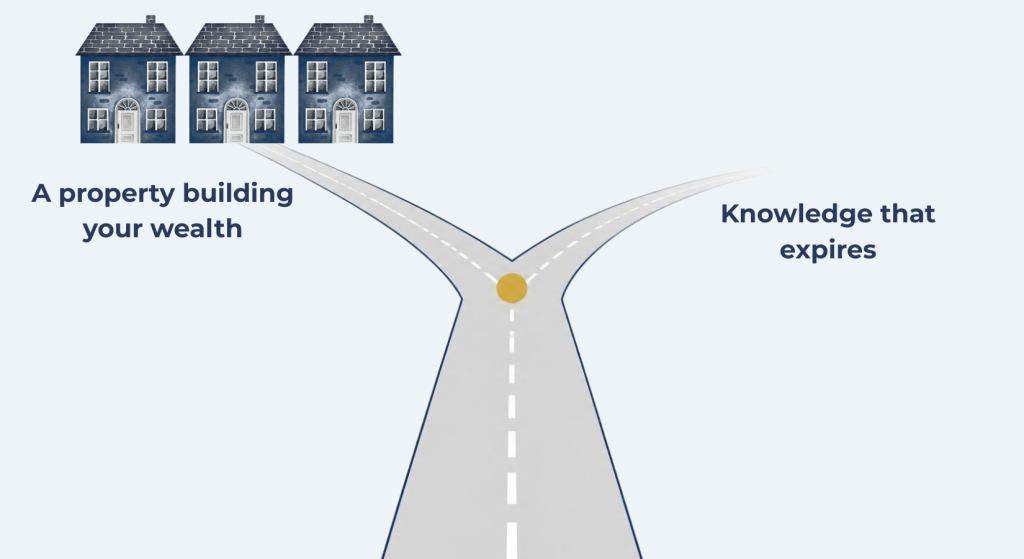
Nothing that you have built, and that is the important part.
Your understanding doesn’t expire. It will be just as valid when the capital arrives as it is today, and the areas worth buying in will largely still be the areas worth buying in. This isn’t a position that erodes while you wait.
What it costs you is time in the market. Property returns come from the rent and from the growth, and the growth builds across the years you hold something. Someone who starts earlier on an average property tends to end up ahead of someone who starts later on a better one, not because they were sharper but because they had longer. That’s an argument for urgency on the capital question, not urgency on the buying question, and the distinction matters.
There’s a second cost that’s easier to miss. Knowledge that isn’t being applied slowly goes out of date. Lending conditions move, tax treatment changes, and regulations shift. Understanding built a few years ago and not used since is the kind that quietly becomes wrong without announcing it, and the longer the gap between learning something and doing it, the more of it needs revisiting when the time comes.
03
What to do now
Everything moves to the capital question. The learning continues at a much lower intensity, and your attention goes to closing the only gap you have.
1
Work out the actual number and your date.
The full amount needed to complete, not just the deposit, which means stamp duty including the additional property surcharge, solicitor and search fees, lender and broker fees, a survey, and a sensible reserve for the first void or an early repair. Divide that by what you can genuinely put aside each month and you have a month and a year. Everything else becomes preparation for something specific once you have that date.
2
Then look at capital you already have but haven't counted.
Equity in a property you own, investments sitting somewhere doing less than you assumed, a bonus or vesting schedule you could earmark rather than absorb, or a pension position worth understanding properly before making assumptions about it. An hour with a mortgage broker, and an accountant if your situation has any complexity, costs nothing and regularly surfaces options people didn’t know they had.
3
Consider partnering with someone who has the opposite problem.
But only if the two routes above have come up short. If there’s equity you can access or a savings plan that gets you there in a couple of years, take those first. They’re simpler and they leave you answering to nobody.
If neither applies, this is the one route where what you know is the scarce part rather than what you have.
To be clear about what this isn't.
You’re not becoming a property sourcer or going out to find investors. That’s a different job with regulatory obligations attached. This is you buying one property alongside someone you already have a relationship with, using their capital and your understanding, and owning part of it at the end.
It’s almost never a stranger. Usually someone you know, or someone one step removed who comes up in conversation because you asked the right question. There are more people than you’d expect with money sitting in savings doing very little who like the idea of owning property but have no interest in learning what you’ve already learned. The access opens up faster than people assume once you can show you know what you’re talking about.
Keep the first one simple. A straightforward buy-to-let where they provide the capital, you find it, assess it, and manage the process, and you agree how ownership and profit are split before anything starts. Nothing with development risk.
Two conditions. Do it with someone whose judgement you’d trust in a disagreement, because you’ll have at least one. And have it documented by a solicitor before any money moves, covering what happens if one of you wants out or it needs money spending on it. Get the tax position right at the start because it’s far easier than fixing it later.
Done properly this puts you in the market years earlier than saving alone would. Done on a handshake with someone you half know, it’s the fastest way to lose both the money and the relationship.
On low deposit and flexible payment schemes
You’ll come across arrangements promising a way in without the full capital. Some are legitimate and a good number aren’t. Have a solicitor and a broker look before you go near one. If whoever is offering it discourages you from doing that, you have your answer.
If you've not read it yet, this might also help you on your journey.
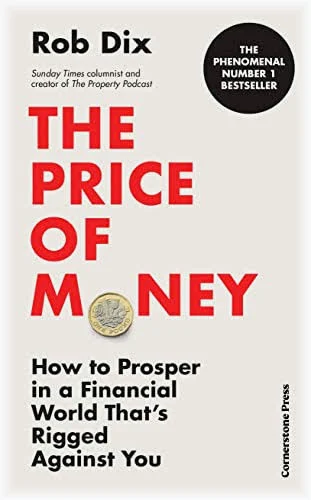
The Price of Money: How to Prosper in a Financial World That’s Rigged Against You
This one sits slightly outside property but it’s worth reading. If you’ve ever wondered why your savings feel like they’re going backwards or how governments can print money without consequence, this explains it clearly and without the jargon. Understanding how money actually works makes every financial decision that follows a better one.
© Frater Property Partners 2026. All Rights Reserved.