
Your Property Investment Readiness Stage
You are building the money without yet knowing what you are building it toward.
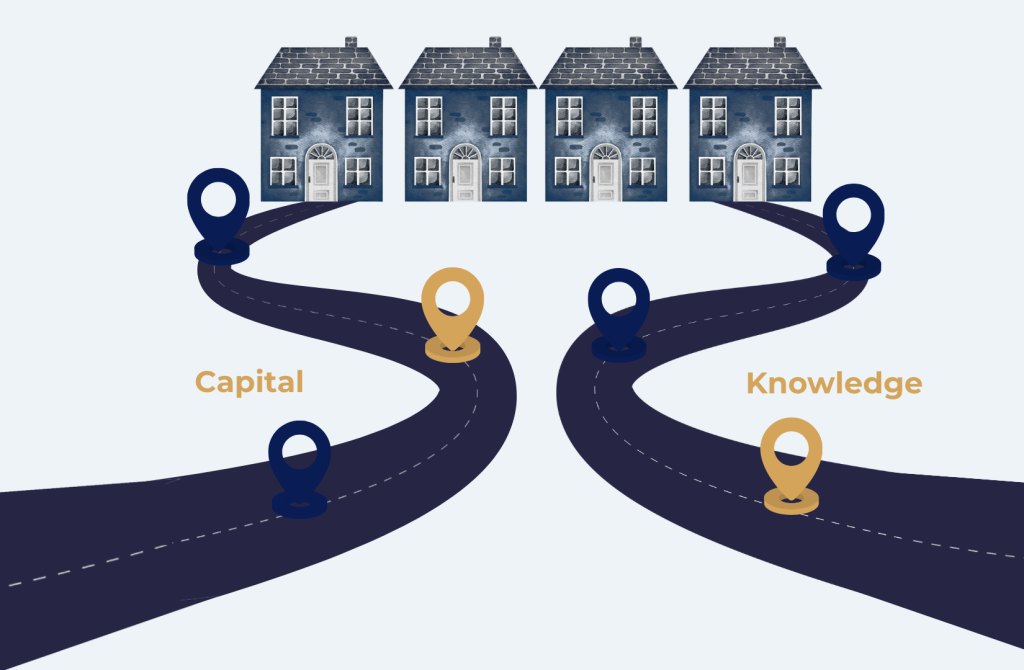
You’ve put real money aside while plenty of people at the same stage are still talking about starting. Between thirty and sixty thousand pounds is a serious amount and you got there through discipline rather than luck.
What’s missing is everything that should sit around it.
Right now you’re saving toward a general idea rather than a specific figure, which means you have no way of knowing whether you’re two years away or six months away. That uncertainty is quietly demotivating because there’s no point at which you get to feel like you’re nearly there.
The bigger gap is the knowledge. You have the makings of a deposit and not yet the understanding to use it well, and those two things arriving out of order is how people end up buying badly. The money tends to reach a point where it feels like enough, and if the understanding hasn’t been built alongside it, the decision gets made on gut feeling, a recommendation, or whoever happens to be in front of you at the time.
Here’s the part worth hearing clearly, and it’s different from what someone with no capital would be told. The money you’ve put aside isn’t wasted and it isn’t premature. It’s genuinely the harder half of this and you’ve done it. What you need now is for the other half to catch up before the money is ready, not after.
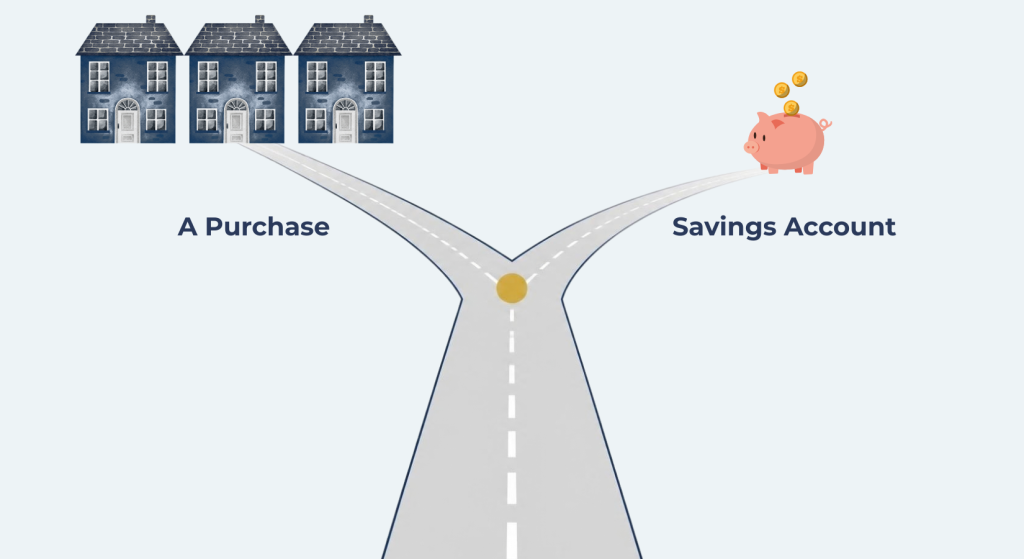
There are two ways this goes wrong from here and both are common.
The first is buying at the point the money feels sufficient rather than at the point you understand what you’re buying. There’s always something available at the lower end of the market, and plenty of people will happily sell you the idea that getting started matters more than what you start with. The properties available at that level are cheap for a reason, usually weak tenant demand and very little driving values upward over the years you’d be holding it. The whole point of an investment property is that it grows while someone else pays the mortgage, and a cheap property in an area with nothing behind it does the second part and not the first. You find out which one you bought several years later when you come to sell.
The second is being sold to. Someone with meaningful savings and limited experience is the most valuable person in the room to a certain kind of company, and you will be approached by some of them. The pitch is usually a course or a guaranteed return that’s guaranteed only until the company offering it stops existing. What protects you is understanding, and it’s the one thing you don’t yet have.
There’s also a cost to the money simply sitting there, which is the one nobody mentions. Holding cash for a purpose is entirely sensible, but a savings account isn’t where money grows over a decade. That’s an argument for knowing your date and moving deliberately toward it rather than leaving the question open indefinitely.
The real cost at your stage isn’t slowness. It’s arriving at the money without the knowledge.
Two things, running alongside each other. The saving continues and the knowledge catches up while it does.
Not just a deposit, the full amount needed to complete a purchase. That means the deposit, stamp duty including the additional property surcharge, solicitor and search fees, lender and broker fees, a survey, and a sensible reserve for the first void period or an early repair. That total is usually larger than people expect, but knowing the figure precisely is what turns saving into a plan. Divide it by what you put aside each month and you have a date, and a date tells you honestly whether the monthly amount needs to change.
Employment, transport links, regeneration, and what letting agents will actually tell you about demand on a specific street if you ring up and ask them. Most of the difference between a good investment and a mediocre one gets decided here, long before anyone looks at a floor plan.
Rental yield, what a lender will and won’t lend against, and the difference between what a property earns and what you actually keep once the mortgage, the management, the maintenance, and the tax have taken their share. This is the foundation and everything else is decoration without it. If you only do one of these three, do this one.
Surveys, searches, conveyancing, what a mortgage offer actually depends on, and how long each stage takes. This is the part that unsettles people most, and almost entirely because it’s unfamiliar rather than because it’s complicated. A few hours will fix it permanently.
It costs nothing, there’s no expectation that you transact, and it’ll tell you what you could borrow and what a lender would want to see from you. That one call often changes the target number considerably, and it’s better to know now than to find out at the point you’re ready to move.
You’ll be offered one, probably several, at somewhere between two and fifteen thousand pounds, positioned as the thing standing between you and a portfolio. You’re exactly the person that pitch is designed for, because you have savings and not yet the experience to judge the claim. Everything above is available for free, a good deal of it on YouTube including ours. That money belongs in the purchase and it’s not a close decision.
Below I’ve shared a few things to get you started. This isn’t everything you need to become a confident property investor, but it will get you moving in the right direction. I’ve suggested a few videos below, and we also have a full beginner playlist on YouTube. These aren’t clickbait, they’re designed to actually help with your education.
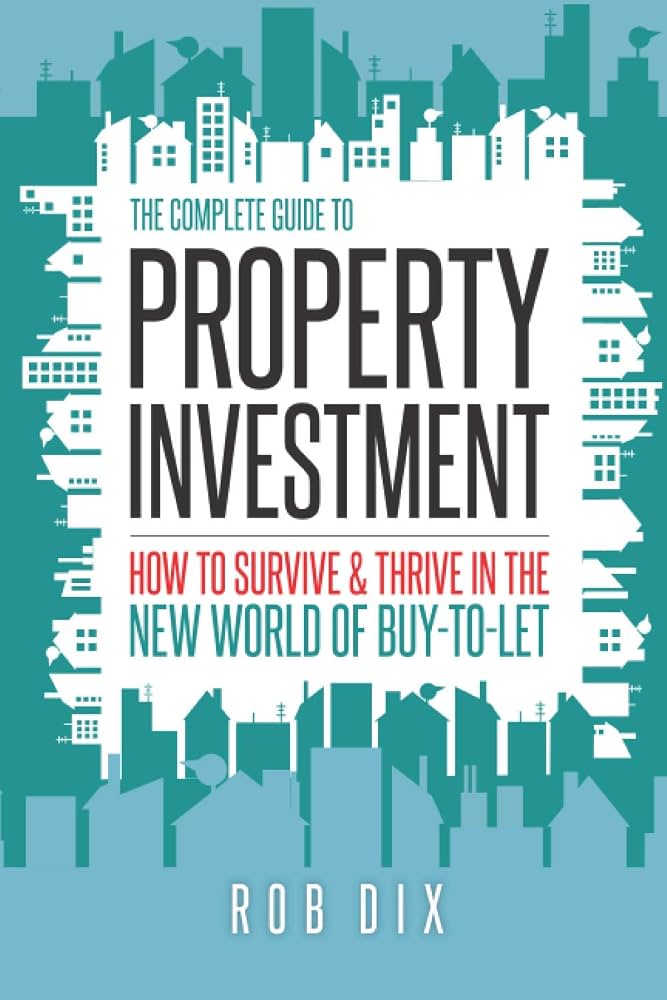
The best starting point we’ve found for anyone new to property investment. Rob Dix covers strategy, financing, research, and portfolio building in a way that’s practical and easy to follow. I worked with Rob for several years, so I know first-hand the thinking behind it.
One caveat: the tax and regulatory sections are dated, so treat those as a foundation and cross-reference with a specialist before acting on anything.
This one walks you through the five steps that actually matter to buying your first buy-to-let. From working out what you can afford, setting up the right ownership structure, finding the right property, and getting it over the line. No fluff, just the process in the right order so you don’t make the mistakes most first-time investors make.

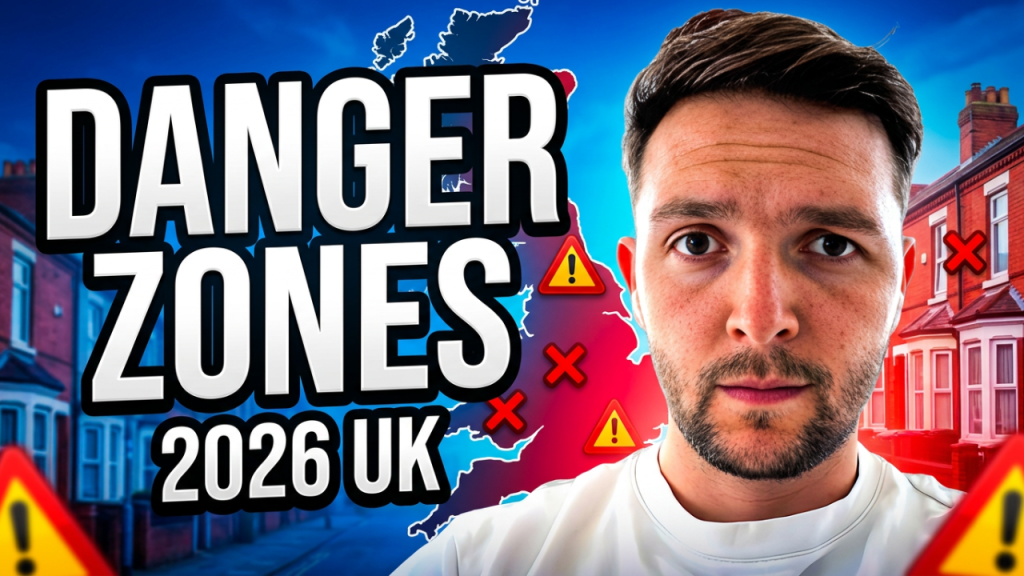
If you’re starting out, knowing where not to invest is just as important as knowing where to. This video covers our 2026 red list — the areas we’re actively steering clients away from based on declining prices, extended selling times, and weak fundamentals. Worth watching before you commit to anything.
© Frater Property Partners 2026. All Rights Reserved.