Your Property Investment Readiness Stage
The Long Game.
You’ve built a decent foundation. What you need now is a number, a date, and a bit more depth while you get there.
01
What's Blocking You
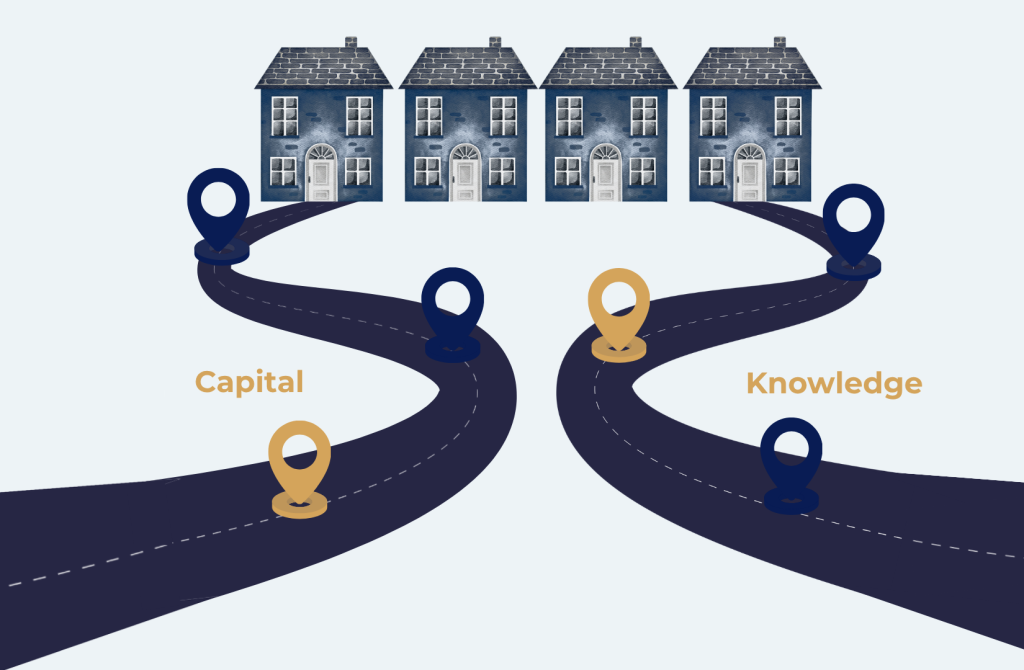
Two things, and they're different in kind, which is why the order matters.
The capital is the real constraint. You don’t yet have enough set aside to buy an investment property, and there’s no technique that gets around it, no structure that removes the need for a deposit, and nobody worth listening to will tell you otherwise. That’s what’s determining when you start.
The knowledge side is in better shape than you might give yourself credit for. You’ve read around this, you follow it, and you have a reasonable sense of how the numbers behave and what makes one area worth buying in over another. That puts you ahead of a lot of people who are further along in capital terms, because plenty of them are saving hard toward something they don’t yet understand.
It’s not finished though, and it’s worth being straight about where the remaining gaps usually sit. People at your stage generally have the concepts but not the specifics. You understand what rental yield means without having worked out what a property actually returns once the mortgage, the management, the maintenance, and the tax have taken their share. You know that areas matter without having settled on two or three you could genuinely defend. You know roughly what happens between offer and completion without being clear on what a lender actually requires or where the process tends to stall.
None of that is a criticism. It’s simply the difference between having read about something and having done it, and it’s almost always what separates the middle of this from the top of it. The useful thing about your position is that the gap you can close for free is the knowledge one, and you have a genuine window to close it because the capital is going to take months either way.
02
What it's costing you
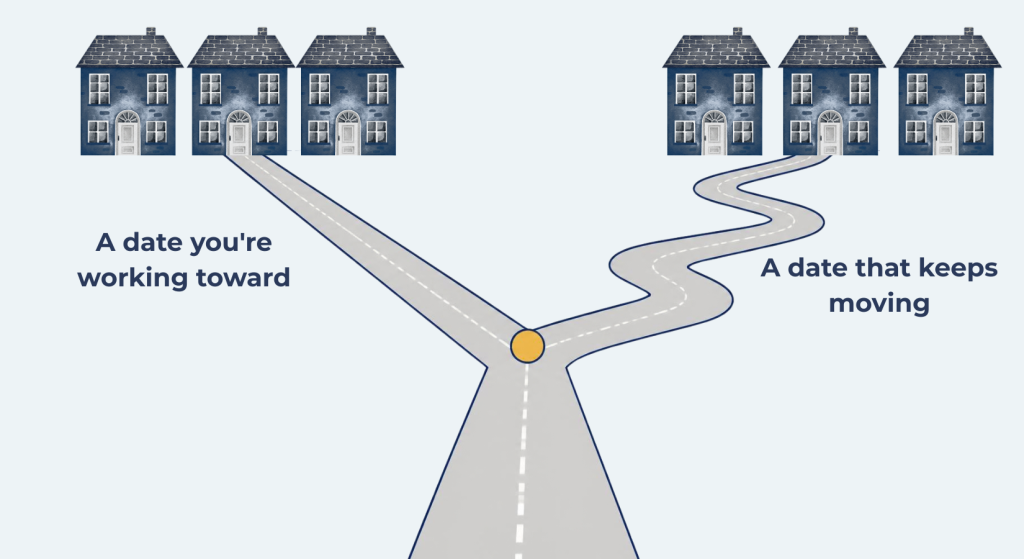
Very little right now, and that's worth saying plainly because a lot of what you read is designed to make you feel like you're already behind.
Nothing you’ve learned expires. The understanding will be just as valid when the money arrives as it is today, and the areas worth buying in will largely still be the areas worth buying in. Waiting doesn’t erode your position, which makes this fundamentally different from waiting while doing nothing.
The cost only starts if the next period goes one of two ways.
The first is staying in the comfortable part. Reading about property is interesting and saving money isn’t, and it’s genuinely possible to keep doing the interesting part for years because it still feels like progress. The tell is that you know more than you did last year but you’re no closer to a number or a date.
The second is compromising when the money finally does arrive. There’s always something available at a lower price point, and by then you’ll have waited a long time and will want to move. Buying something weak purely to be in the market undoes most of what the wait was for.
Beyond that there’s time in the market, which is a real cost rather than a motivational one. Property returns come from the rent and from the growth, and the growth builds over the years you hold it. That’s an argument for taking the savings side seriously, not for buying something worse sooner.
The real cost at your stage isn’t slowness. It’s arriving at the money without the knowledge, or arriving at the knowledge several thousand pounds lighter than you needed to be.
03
What to do now
Most of your effort moves to the capital. Some of it stays on knowledge, but pointed at specifics rather than more general reading.
1
Work out the actual number.
Not just a deposit, the full amount needed to complete. That means the deposit, stamp duty including the additional property surcharge, solicitor and search fees, lender and broker fees, a survey, and a sensible reserve for the first void period or an early repair. Most people are surprised by the total, and knowing it precisely is what turns saving into a plan rather than an intention.
2
Then work out your date of when you can act.
Take what you can genuinely put aside each month, divide the number by it, and you have a month and a year. That date is the most useful thing you can have right now because everything else becomes preparation for something specific rather than preparation in general.
3
Look at where the else the capital could come from.
Not shortcuts, just the ordinary things people overlook. Equity in a property you already own, investments sitting somewhere doing less than you assumed, a bonus or vesting schedule you could earmark rather than absorb. An hour with a mortgage broker costs nothing and usually surfaces options people didn’t know they had.
4
Then close your knowledge gaps.
Learn to model a property properly all the way through to what you actually keep, rather than stopping at the yield. Pick two or three areas and get to the point where you could explain why you’d buy there, including what employment supports the rents and what demand looks like on a specific street. And get clear on the buying process itself, specifically what a lender requires and where things tend to go wrong, so that none of it is unfamiliar when you’re doing it for real.
One thing to avoid.
You’ll be offered a course, probably several, at somewhere between two and fifteen thousand pounds, and it’ll be pitched as the thing that gets you there faster. At your stage that money is a meaningful chunk of the deposit and the trade isn’t close. Everything above is available for free, a good deal of it on YouTube including ours, and people who work through it properly generally find they didn’t need the course, which is true of most people who buy one.
Here's where to start with your knowledge.
Below, I’ve shared a few things to get you started. This isn’t everything you need to become a confident property investor, but it will keep you moving in the right direction.
The "No-Stress" Due Diligence Checklist for Busy Professionals
Due diligence matters but most busy professionals don’t have hours to spend on it. This video walks you through a straightforward five-phase process covering location, financials, the property and developer, comparable evidence, and exit strategy. It’s designed to give you a repeatable system that protects your investment without taking over your life.

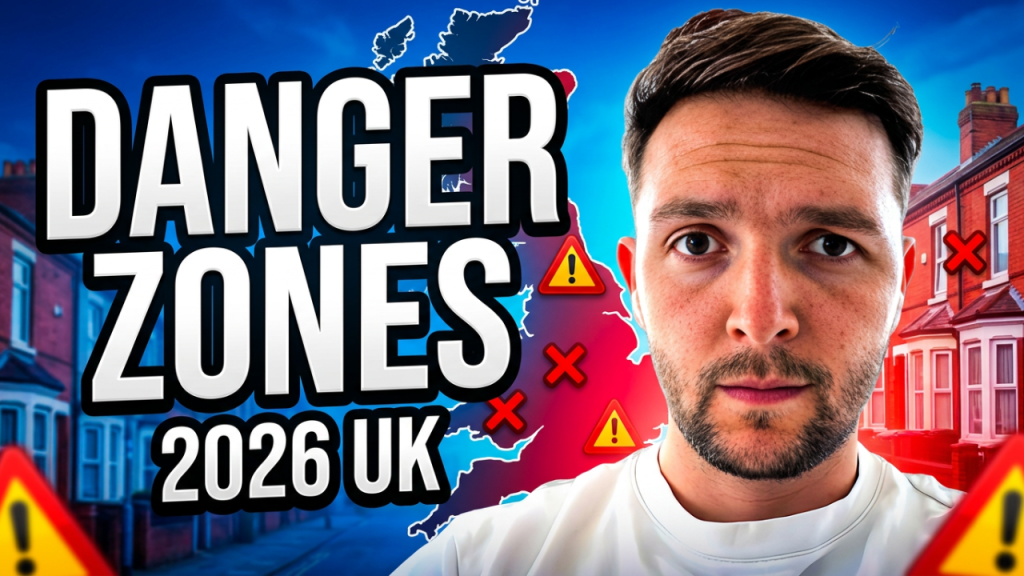
2026 UK Property Investment: Don't Buy Here.
If you’re starting out, knowing where not to invest is just as important as knowing where to. This video covers our 2026 red list — the areas we’re actively steering clients away from based on declining prices, extended selling times, and weak fundamentals. Worth watching to see how you might rule a place out.
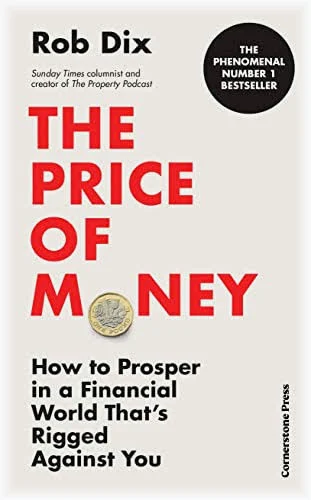
The Price of Money: How to Prosper in a Financial World That’s Rigged Against You
This one sits slightly outside property but it’s worth reading. If you’ve ever wondered why your savings feel like they’re going backwards or how governments can print money without consequence, this explains it clearly and without the jargon. Understanding how money actually works makes every financial decision that follows a better one.
© Frater Property Partners 2026. All Rights Reserved.