Your Property Investment Readiness Stage
The Funded Beginner.
You have the money. What you do over the next few months decides what it buys.
01
What's Blocking You
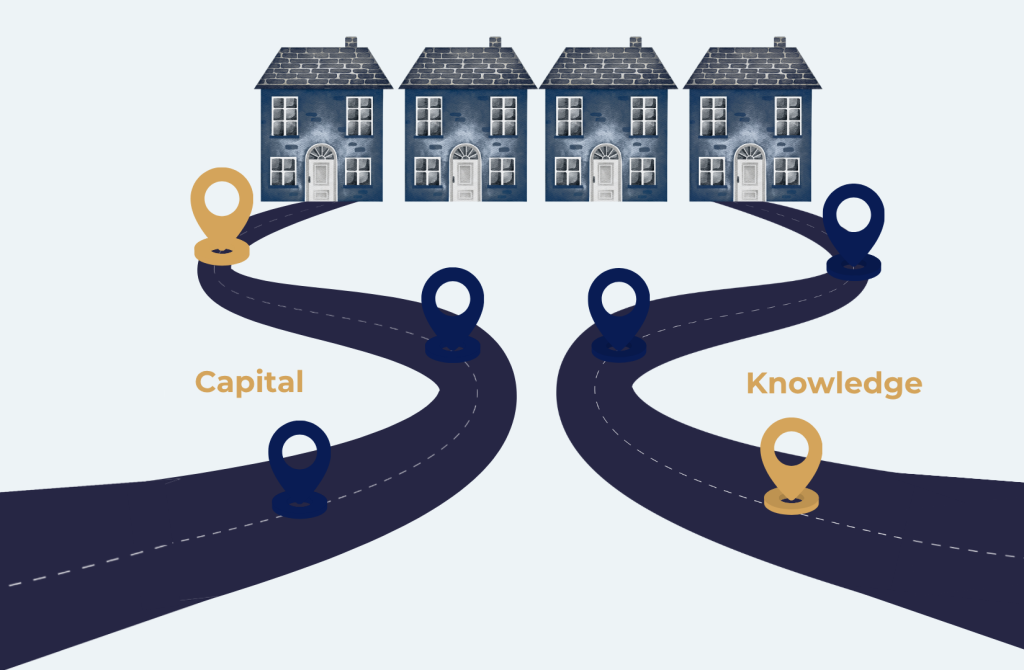
You're in a better position than you probably think, and a more exposed one.
The capital is there, which is the half most people find hardest and spend years on. You’ve done it, which means the obstacle in front of you isn’t money or time or circumstance. It’s simply that you haven’t yet learned the things you’d want to know before putting sixty thousand pounds or more into a decision you’ll live with for a decade.
That gap is smaller than it feels. Most of what actually matters in buy-to-let can be understood properly in a few months rather than a few years, and almost none of it is difficult. It’s unfamiliar, which is a different thing, and unfamiliarity is what makes people either freeze or trust the wrong person.
The exposure is worth being honest about. Someone with real capital and limited experience is the single most valuable person in this market to a certain kind of company, and you will be found. Not because you’ve done anything to invite it, but because the money makes you worth finding. The approaches are polished, designed to feel like guidance rather than selling, and they arrive precisely when you’re most open to help.
The good news is that the thing which protects you is the same thing that gets you a better property, and it costs nothing but a few months of attention.
02
What it's costing you
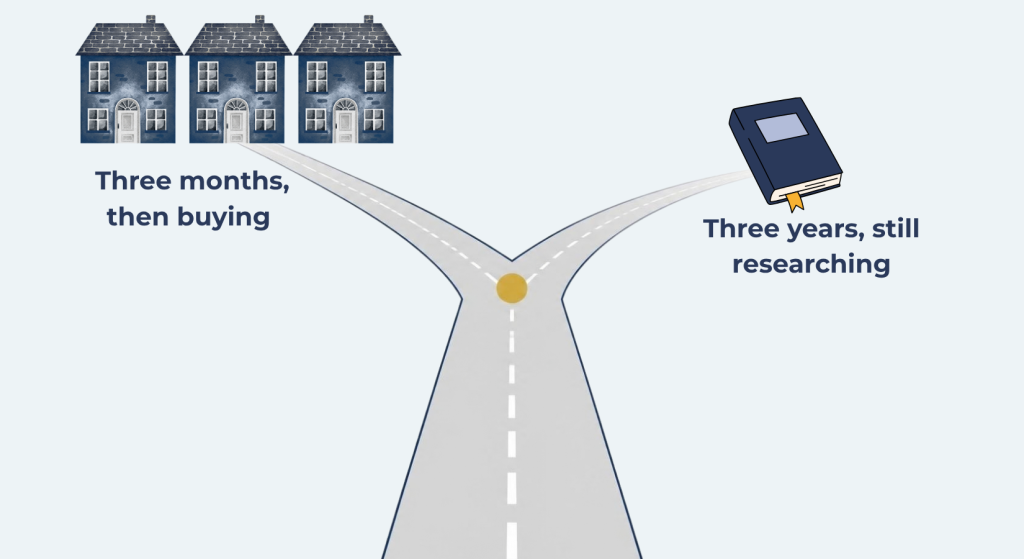
Two costs, pulling in opposite directions, which is what makes your position genuinely tricky.
Waiting costs you. Capital that’s ready and not deployed is money sitting still. Everyone else taking this assessment has something concrete in their way and you don’t. There’s no version of this where the answer is to take several years over it, because time in the market is where most of the return comes from and the months do add up.
But moving too quickly costs you far more. The mistakes available to someone in your position are large and permanent. Buying in an area you haven’t properly understood because the yield looked good on paper and nobody explained what sits behind the rent. Paying a premium for something packaged and sold to you as an investment opportunity. Or spending five to ten thousand pounds on a course, which is the one that stings most because it comes straight out of the deposit and teaches you things that are freely available.
The reason these are so costly is that a property isn’t a decision you revisit quickly. If you buy badly, you find out around year five, and the remedy is selling at a loss or holding something that doesn’t grow for another decade.
The honest framing is this. You can’t afford to take three years, and you absolutely can afford to take three months. That’s the window, and using it well is the single highest-return thing you’ll do in this entire process.
03
What to do now
Spend the next couple of months learning, then have a conversation when you actually have something to judge it against.
Three things to understand, in this order.
1
You need to know how to read an area.
Employment, transport links, regeneration, and what letting agents will actually tell you about demand on a specific street if you ring up and ask them. Most of the difference between a good investment and a mediocre one gets decided here, long before anyone looks at a floor plan.
2
You need to understand how the numbers actually work.
Rental yield, what a lender will and won’t lend against, and the difference between what a property earns and what you actually keep once the mortgage, the management, the maintenance, and the tax have taken their share. This is the foundation and everything else is decoration without it. If you only do one of these three, do this one.
3
You need to know the process from an accepted offer
Surveys, searches, conveyancing, what a mortgage offer actually depends on, and how long each stage takes. This is the part that unsettles people most, and almost entirely because it’s unfamiliar rather than because it’s complicated. A few hours will fix it permanently.
Then talk to a mortgage broker before you do anything else.
It costs nothing and there’s no expectation that you transact. Find out what you could borrow and on what terms, because it changes what’s realistic at your budget and most people are surprised in one direction or the other.
Be careful who finds you.
You will be approached. The reliable test is simple: anyone who discourages you from taking your time, getting independent advice, or having a solicitor look at something has told you what you need to know. Nothing worth buying disappears because you took a fortnight to check it.
On Courses.
You’ll be offered one, probably several, somewhere between two and fifteen thousand pounds, pitched as the thing standing between you and a portfolio. You’re exactly the person that pitch is designed for, because you have the money and not yet the experience to judge the claim. Everything above is free, a good deal of it on YouTube including ours. That money belongs in the property.
Then Come Back.
When you’ve worked through those three areas, book a call and we’ll go through a real deal together properly, with you asking the questions you’ll actually have by then. That conversation is far more useful once you can follow the numbers yourself, which is why it’s worth doing in that order rather than this one.
Most people get through the material in around eight to twelve weeks. If you haven’t booked by then, expect an email asking how you got on.
Here's where to start
Below I’ve shared a few things to get you started. This isn’t everything you need to become a confident property investor, but it will get you moving in the right direction. I’ve suggested a few videos below, and we also have a full beginner playlist on YouTube. These aren’t clickbait, they’re designed to actually help with your education.
First Buy-to-Let Property? Start With These 5 Steps
This one walks you through the five steps that actually matter to buying your first buy-to-let. From working out what you can afford, setting up the right ownership structure, finding the right property, and getting it over the line. No fluff, just the process in the right order so you don’t make the mistakes most first-time investors make.
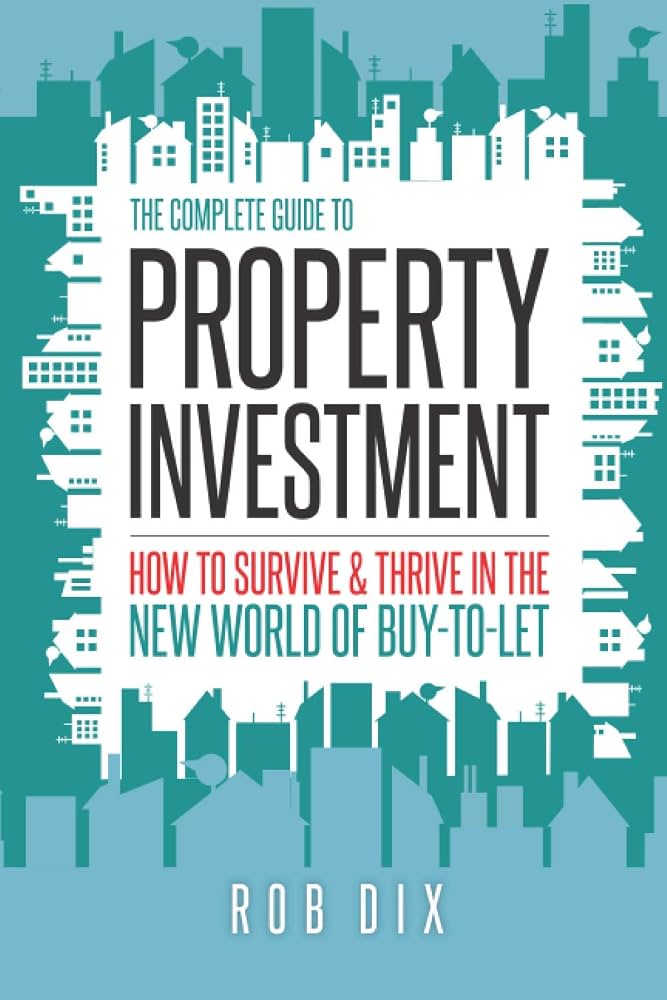
The Complete Guide to Property Investment: How to survive & thrive in the new world of buy-to-let
The best starting point we’ve found for anyone new to property investment. Rob Dix covers strategy, financing, research, and portfolio building in a way that’s practical and easy to follow. I worked with Rob for several years, so I know first-hand the thinking behind it.
One caveat: the tax and regulatory sections are dated, so treat those as a foundation and cross-reference with a specialist before acting on anything.
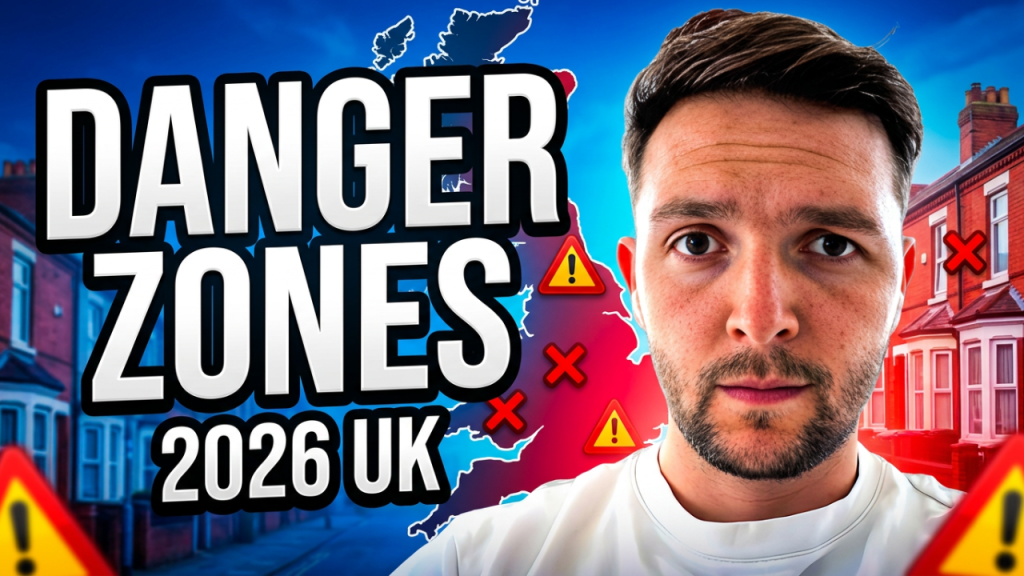
2026 UK Property Investment: Don't Buy Here.
If you’re starting out, knowing where not to invest is just as important as knowing where to. This video covers our 2026 red list — the areas we’re actively steering clients away from based on declining prices, extended selling times, and weak fundamentals. Worth watching before you commit to anything.
© Frater Property Partners 2026. All Rights Reserved.