Your Property Investment Readiness Stage
The Final Furlong.
You know what you’re doing, and the money is nearly there. This is one of the best positions you could be in.
01
What's Blocking You
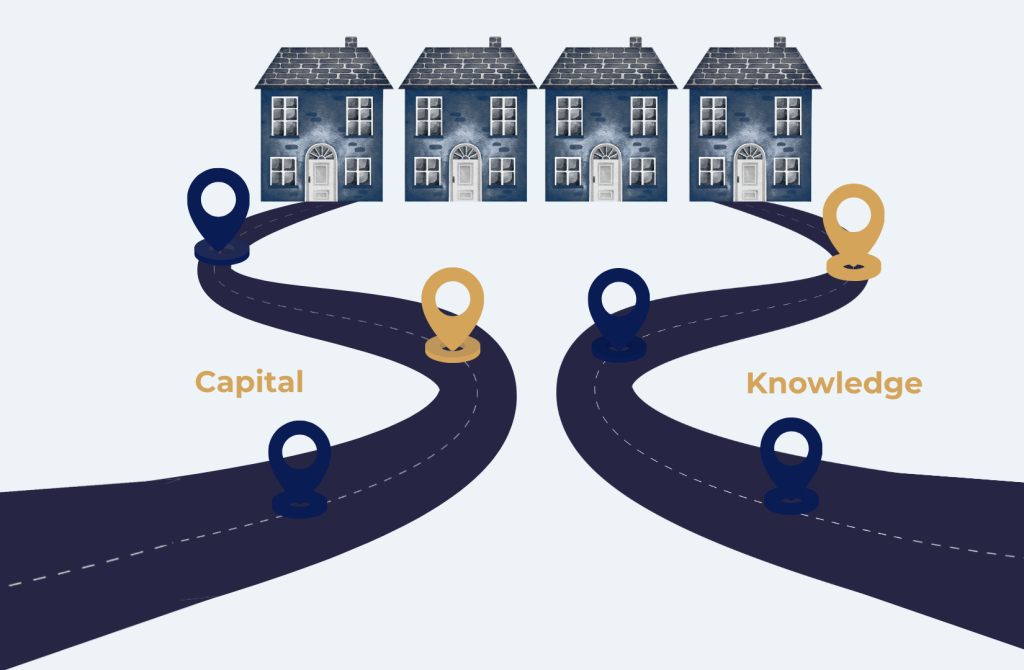
Timing, and very little else.
You understand this properly. You know how a property actually performs once the mortgage, the management, the maintenance, and the tax have taken their share. You have a view on areas and the reasoning behind it, and you’ve had the professional conversations that most people put off for years. There’s nothing left to learn that would meaningfully change the decisions you’re going to make.
The capital is close but not complete. Somewhere between thirty and sixty thousand pounds, which is a deposit on most of what you’d want to buy but not the full cost of getting it done, because stamp duty, fees, and a reserve sit on top of it. So you’re ready in every sense except one, and that one is only a question of months.
The awkward thing about this stage is that it’s genuinely hard to sit still in. You can see deals that work. You can look at a listing and know within five minutes whether it’s worth anything. Watching the areas you’d buy in move without you is more frustrating than not understanding them would be, and it tends to produce one of two responses, both of which set people back.
The first is dropping your standard to get started sooner. There’s always something cheaper available, and you already know exactly why it’s cheap. Buying it purely to be in the market undoes the work you’ve done.
The second is paying someone to shorten the process. At your level of understanding there’s nothing a course could teach you that you haven’t already covered, and it would come directly out of the money that’s nearly enough. That trade moves your date backwards, not forwards.
Most people who complete this assessment aren’t ready for a call yet. They need to save more, learn more, or work through a few things first. At this stage, that’s not you. You’re close enough that a conversation is actually worth having, and if you’d rather not wait until the money lands to start putting a plan together, the call is free and takes fifteen to twenty minutes.
02
What it's costing you
Time in the market, and at your stage that's the only real cost.
Property returns come from the rent and from the growth, and the growth builds across the years you hold something. The months between now and whenever you complete are months that don’t come back. That’s not an argument for buying something worse sooner, it’s an argument for being precise about the date and deliberate about closing the gap, because the gap is small enough to be closed faster than most people assume.
The other cost is opportunity rather than money. Good stock at sensible numbers doesn’t sit around waiting and it rarely reaches the open portals, because it tends to be allocated before it gets there. Investors at your stage regularly conclude that nothing works, when what they’re actually seeing is the part of the market that’s left over after everyone else has picked through it. Being a few months from ready and not knowing what’s available means you find out what you missed afterwards rather than at the time.
03
What to do now
Four things, and the first three take an afternoon between them.
1
Fix the date for when you can realistically purchase your investment property.
Work out the full amount needed to complete on a property you’d actually want to buy. That’s the deposit plus stamp duty, including the additional property surcharge, solicitor and search fees, lender and broker fees, and a reserve for the first void or an early repair. Divide the shortfall by what you can put aside each month, and you have a month and a year. Everything else follows from that.
2
Look at whether the gap can be closed rather than waited out.
Equity in your home or a property you already own is the obvious one, and it’s worth a proper conversation with a broker rather than an assumption. Beyond that, investments doing less than you thought, a bonus or vesting schedule you could earmark, or simply a higher monthly figure for a defined period now that there’s a date to aim at. People at your stage frequently find the gap is smaller than it looked once they’ve actually counted everything properly.
3
Settle the strategy before the money lands, not after.
If you’re reading this you’re probably pretty time poor, so you need to pick a strategy that fits in with your lifestyle and current commitments. You have the knowledge to make this decision well, and it’s much easier to make calmly. What are you actually buying for? Do you need income now or growth over ten years, and which of those does your strategy support? Those two answers rule out most of the market and make everything that follows considerably simpler.
4
Understand the options that don't need the full amount on day one.
Buying off plan is worth knowing about at your stage because the payment structure is staged rather than immediate, which can bring a purchase forward by a meaningful margin relative to saving toward a completed property. It suits some people well and it carries risks that a standard purchase doesn’t, including build timelines that move, the developer’s own financial position, and valuation at the point of completion. It’s not a shortcut and shouldn’t be treated as one, but it’s a genuine option and worth understanding properly rather than dismissing or assuming.
Then have the conversation.
This is the point where talking to someone actually saves you time rather than costs it.
Fifteen to twenty minutes, no obligation attached. We’ll go through what’s realistic at the number you’ll have, what’s available in the areas you’re looking at, and whether anything in the staged-payment side of the market suits your timeline. If the answer turns out to be simply waiting four months and buying something completed, you’ll hear that.
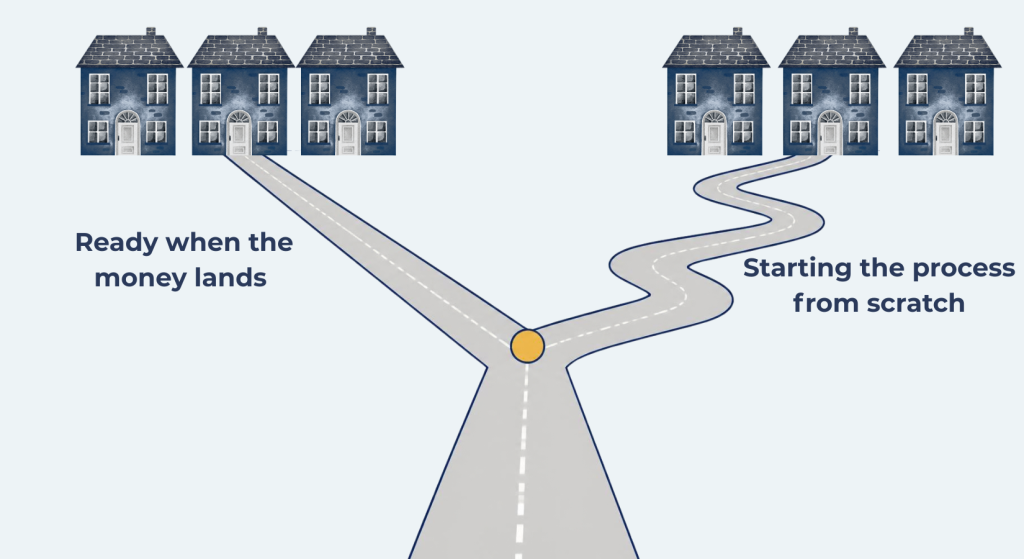
The reason to do it now rather than when the money lands is that sourcing takes time regardless, so a conversation at this stage means you arrive at your date knowing what you’re buying rather than starting the process from scratch.
Here's some additional resources
Below, I’ve shared a few things that might help. This should keep you moving in the right direction.
Leveraging Home Equity to Build Wealth: Here's How
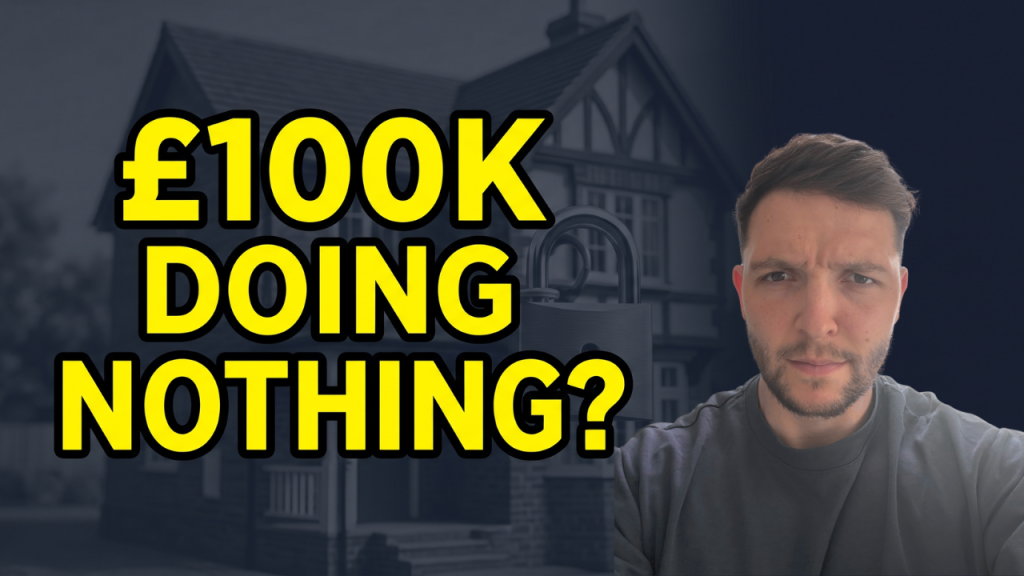
If you own your home but don’t have a large cash deposit sitting ready, this one’s worth watching. It walks through how to use the equity you’ve already built to get started in property investment and grow from there, without needing significant upfront cash. A practical option that a lot of people overlook.
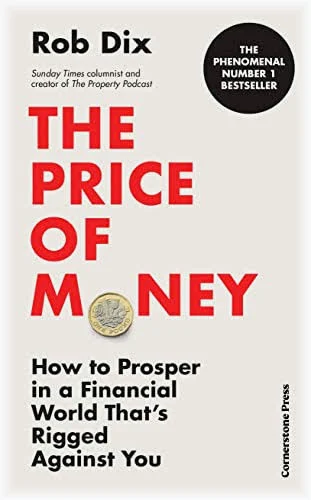
The Price of Money: How to Prosper in a Financial World That’s Rigged Against You
This one sits slightly outside property but it’s worth reading. If you’ve ever wondered why your savings feel like they’re going backwards or how governments can print money without consequence, this explains it clearly and without the jargon. Understanding how money actually works makes every financial decision that follows a better one.
© Frater Property Partners 2026. All Rights Reserved.